
Universities in China
Your gateway to education in China
City
Sort
Tianjin University Hainan International Institute
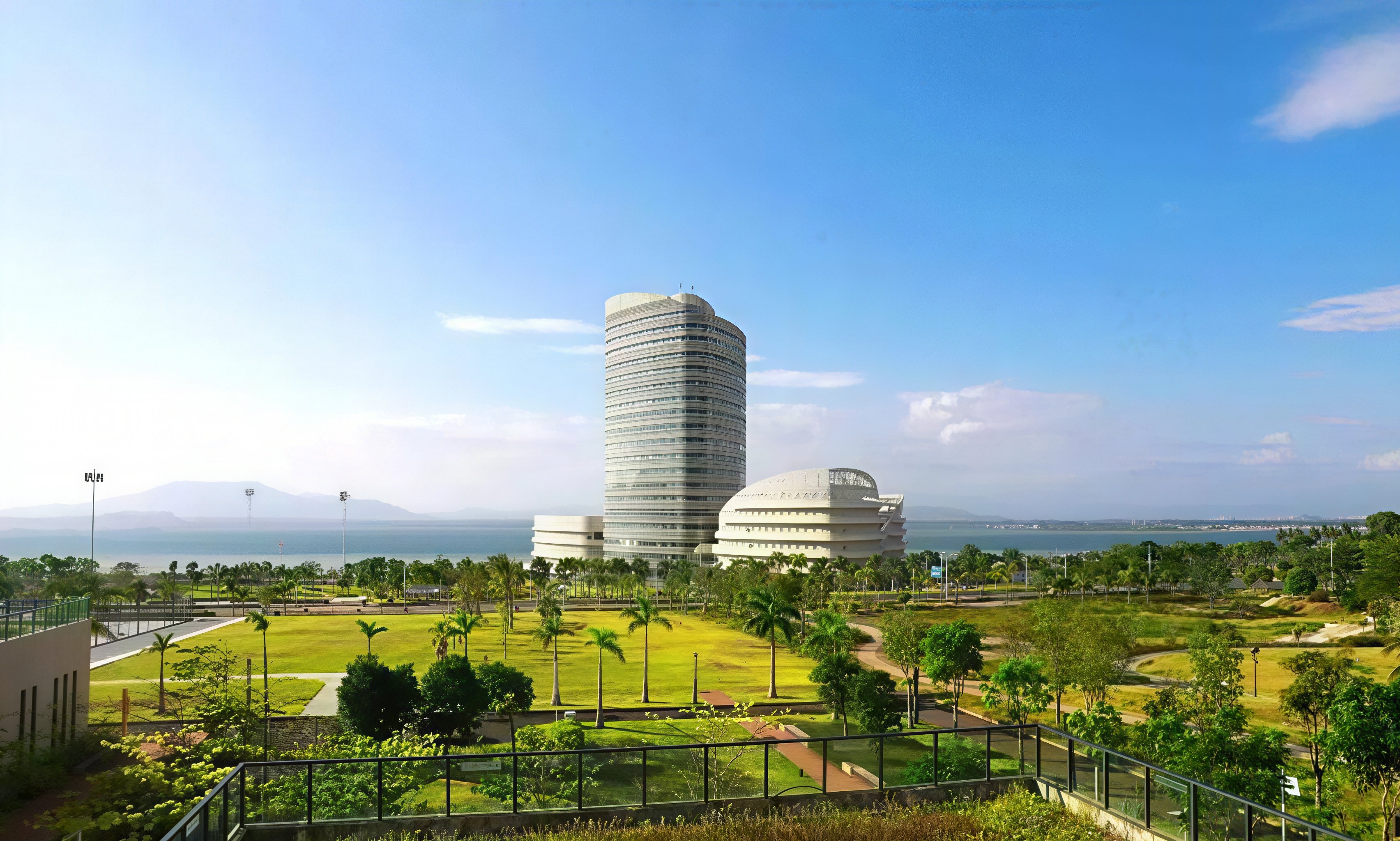
Tianjin University Hainan International College is a directly-affiliated Sino-foreign cooperative educational institution of Tianjin University, officially inaugurated in May 2026 in Lingshui Li'an International Education Innovation Pilot Zone, Hainan. Its first operational project is the Tianjin University-University of Reading Henley International College, approved by China's Ministry of Education in December 2025. The college welcomed its first cohort of 89 undergraduate freshmen in August 2026, with two undergraduate majors launched: Information Management & Information Systems, and Supply Chain Management. Admitted students are granted dual student status at both Tianjin University and the University of Reading from enrollment, completing all 4 years of study on the Hainan campus. Eligible graduates receive exactly the same bachelor's degrees as students on the two universities' main campuses, with no special annotations on the certificates. It also rolled out two 2-year master's programs in 2026, with no requirement for the national postgraduate entrance examination, covering Finance & FinTech, and Climate Change, Sustainable Business & Green Finance. The college draws on the A+ ranked discipline strength of Tianjin University's Management Science and Engineering, paired with world-leading business resources from Henley Business School, the University of Reading, which holds AACSB, EQUIS and AMBA triple international accreditations.
Hainan Province, Lingshui Li Autonomous County
Tianjin University
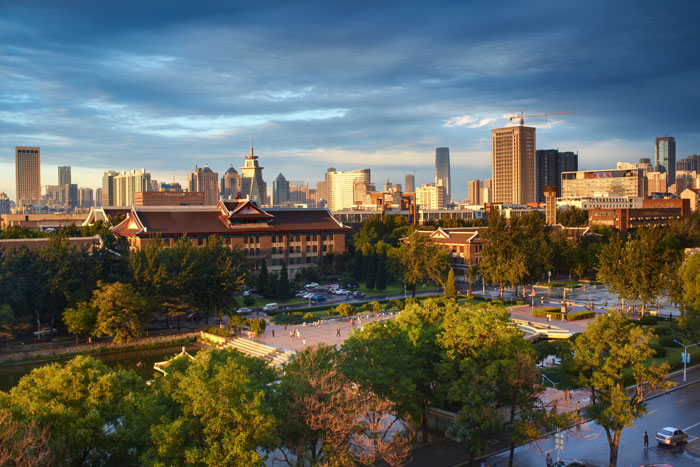
Tianjin University (TJU), abbreviated as Tian Da, was formerly known as Beiyang University. It was founded on October 2, 1895, and is China's first modern university, pioneering modern higher education in China. After the failure of the Sino-Japanese War, under the principle of \"self-strengthening lies in nurturing talents, and seeking talents begins with establishing schools,\" it was established in Tianjin by Emperor Guangxu’s imperial edict, with Sheng Xuanhuai serving as the first supervisor. The school was initially named Beiyang University Hall, which included the First Class College (equivalent to undergraduate studies) and the Second Class College (equivalent to preparatory studies). The First Class College offered four majors: law, engineering, mining, and machinery.\n\nIn 1900, the Eight-Nation Alliance invaded Tianjin and Beijing, forcing the school to suspend operations temporarily. It resumed operations in April 1903 at the Xi Gu Military Warehouse in Tianjin. In January 1912, \"Beiyang University Hall\" was renamed \"Beiyang University,\" and in 1913, it became \"National Beiyang University.\" In 1928, following the trial implementation of the university district system, it was renamed \"Second Engineering College of National Peiping University.\" In 1929, according to the \"University Organization Law,\" the name was changed to \"National Beiyang Institute of Engineering.\"\n\nIn 1937, after the outbreak of the July 7th Incident, in compliance with the Ministry of Education's directive, the school relocated westward. On September 10, it jointly established the National Xi'an Temporary University with Peiping University, Peiping Normal University, and Peiping Academy of Sciences. In March 1938, the temporary university was renamed \"National Northwest Combined University.\" In July 1938, the National Northwest Combined University was reorganized into National Northwest University, National Northwest Institute of Engineering, National Northwest Normal University, and National Northwest Medical College. Among these, the Beiyang Institute of Engineering combined with the Engineering College of Peiping University, Northeastern University, and the Private Jiaozuo Engineering College to form the National Northwest Institute of Engineering, located in Chenggu County, Shaanxi Province. During the war period, alumni from all sectors of the school demanded the restoration of National Beiyang Institute of Engineering. In December 1942, the Executive Yuan of the National Government upgraded the original Zhejiang Provincial Yingshi University to national status, separating its Engineering College to become the independent National Beiyang Institute of Engineering. In 1944, Li Shutian set up the Xi'an branch of the Beiyang Institute of Engineering.After the victory of the Anti-Japanese War, the students and faculty of four schools—National Beiyang Engineering College (Taishun), Xi Jing Branch of Beiyang Engineering College, Northwest Engineering College, and the Beijing Division (established by Dean Chen Jinmin of the Faculty of Science, who took over the Fifth Class of Beijing Temporary University)—returned to Tianjin to re-establish National Beiyang University. In 1946, it was renamed \"Beiyang University.\" In 1951, Beiyang University merged with Hebei Engineering College, and the state named it Tianjin University. In 1952, a nationwide university department adjustment began, during which Tianjin University transferred more than ten departments to strengthen and establish several new institutions, nurturing the budding Chinese higher education system. In 1959, it was designated as one of the initial key universities by the Central Committee of the Communist Party of China. After the reform and opening-up, Tianjin University became one of the pioneering universities under the \"211 Project\" and \"985 Project,\" and was selected as an A-class university in the national \"Double First-Class\" initiative.The university is committed to student-centered development, aiming to cultivate outstanding talents with a sense of patriotism, global vision, innovative spirit, and practical skills who can lead the future. It steadfastly uses Xi Jinping Thought on Socialism with Chinese Characteristics for a New Era to nurture students' minds, significantly promoting the comprehensive reform of 'holistic education' and 'integration of five educations' in talent development. As the leading unit of the national new engineering construction task force, it proposed the \"Tianjin University Action\" for new engineering, and was the first in the country to release and update the \"Tianjin University Plan\" for new engineering construction, taking the lead in establishing the \"International Alliance for New Engineering Education\" and the \"National Center for Innovation in New Engineering Education.\" It won one Grand Prize and three First Prizes in the 2022 National Teaching Achievement Awards, ranking first in the total number of awards nationwide. It boasts nine recipients of the National Outstanding Teacher Award; nine national teaching teams; twelve national engineering practice education hubs; seven national experimental teaching demonstration centers; three national virtual simulation experimental teaching centers; five national virtual simulation experimental teaching projects; eighty-two nationally recognized top-tier courses; sixteen national first-class virtual simulation experimental teaching courses; six national bilingual teaching demonstration courses; fifty-four national first-class undergraduate majors; five bases for the second phase of the National Program for the Cultivation of Outstanding Students in Basic Disciplines; five majors under the National Strong Foundation Program; ten national innovation experimental zones for talent cultivation; and four national demonstration joint training bases for professional degree graduate students. It has been selected as one of the first batch of future technology college construction units, the first batch of national energy storage technology education-industry integration innovation platforms, the first batch of national innovation and entrepreneurship colleges, the pilot universities for comprehensive reform of doctoral education across the country, the first batch of autonomous degree-granting review units, and the first batch of pilot universities for the reform of specialized master’s and doctoral programs in engineering, building a complete chain talent cultivation system that integrates scientific research, industry-academia collaboration, and innovation and entrepreneurship. In the fields of energy storage technology, new materials, and biomedical devices, it has been approved for special projects for urgently needed high-level talent cultivation by the state. Over 60% of graduates opt to serve in critical national industries and regions.The university adheres to the development philosophy of \"strengthening engineering, enriching science, invigorating humanities, and advancing medicine,\" forming a comprehensive multidisciplinary layout with a notable strength in engineering, integrating engineering and science, and promoting coordinated development in economics, management, humanities, law, medicine, education, and arts. It currently offers 74 undergraduate programs, 47 first-level master's degree programs, 34 first-level doctoral degree programs, and 30 postdoctoral research stations. Fourteen disciplines have entered the top one percent in ESI rankings, with four entering the top one thousandth, and the engineering discipline has entered the top ten thousandth. Focusing on national strategies, fundamental research areas, and emerging fields, it has established and fostered 13 interdisciplinary platforms, founded the Tianjin University Interdisciplinary Center, and deeply advanced the \"Tianzhi Plan.\" The \"Tianjin Chemical and Chemical Engineering Collaborative Innovation Center\" initiated and led has become one of the first 14 \"2011 Collaborative Innovation Centers\" nationally. It continuously promotes the integration of medical and engineering disciplines, with 13 affiliated hospitals and medical centers currently in place.The university has strong research capabilities, consistently focusing on major national strategic needs and the forefront of global technological development, achieving abundant results. It has been approved to build national-level scientific research facilities such as the National Major Scientific and Technological Infrastructure: Large-scale Seismic Engineering Simulation Research Facility, the Frontier Science Center for Synthetic Biology (SynBio), the National Applied Mathematics Center in Tianjin, and the National Field Observation and Research Station for Key Earth Systems in the Bohai Rim Region of Tianjin. Since 2016, it has won 22 national science and technology awards and received approval for 125 key national research and development projects, including high-level achievements such as yeast long chromosome synthesis, composite cycle theory and methods for internal combustion engines, \"Seagull\" hybrid-driven underwater glider, intelligent simulation and construction techniques for water conservancy projects, and brain-computer interface chips. It has established one of the first national bases for the inheritance of excellent traditional Chinese culture; the Biosecurity Strategy Research Center led the formulation of the \"Tianjin Guidelines for Scientists' Conduct on Biosafety,\" which was recognized as a global biosafety ethical guideline by the World Health Organization. The university has a total of 5 national key laboratories, 3 national engineering technology research centers, and 3 national international science and technology cooperation bases, and another 106 provincial and ministerial-level key research platforms under the Ministry of Education and Tianjin Municipal Government.The school adheres to a global open办学 policy, comprehensively deepening international exchanges and cooperation. It has formed partnerships with 260 universities, research institutes, and companies in 50 countries and regions around the world. Co-founded \"Tianjin University Georgia Tech Shenzhen College\" with Georgia Institute of Technology, and \"Tianjin University-National University of Singapore Fuzhou Joint College\" with National University of Singapore. Launched the \"China-ASEAN Engineering University Alliance\" and \"China-Central and Eastern European Countries Science and Technology Innovation University Alliance,\" and founded \"China-ASEAN Smart Ocean Education Center\" and \"International Energy Cooperation Organization-APEC Sustainable Energy Center.\" Jointly built the Sino-French Cultural Heritage and Urban Studies Research Center with the French Embassy in China, and the 'Belt and Road' National Humanities and Talent Development Research Center is located at our school. Enhancing international talent development, 11 majors have passed international professional certification; actively promoting the 'Study at Tianjin University' initiative, the scale of international student degree students exceeds 2,000. The School of Pharmacy was selected for the first batch of the national \"Demonstration College for Internationalization Promotion Plan\". Established Confucius Institutes in Bratislava, Slovakia, and the University of Queensland, Australia, with the Bratislava Confucius Institute being rated as an \"Advanced Confucius Institute\" globally.
Tianjin
Shanghai DianJi University
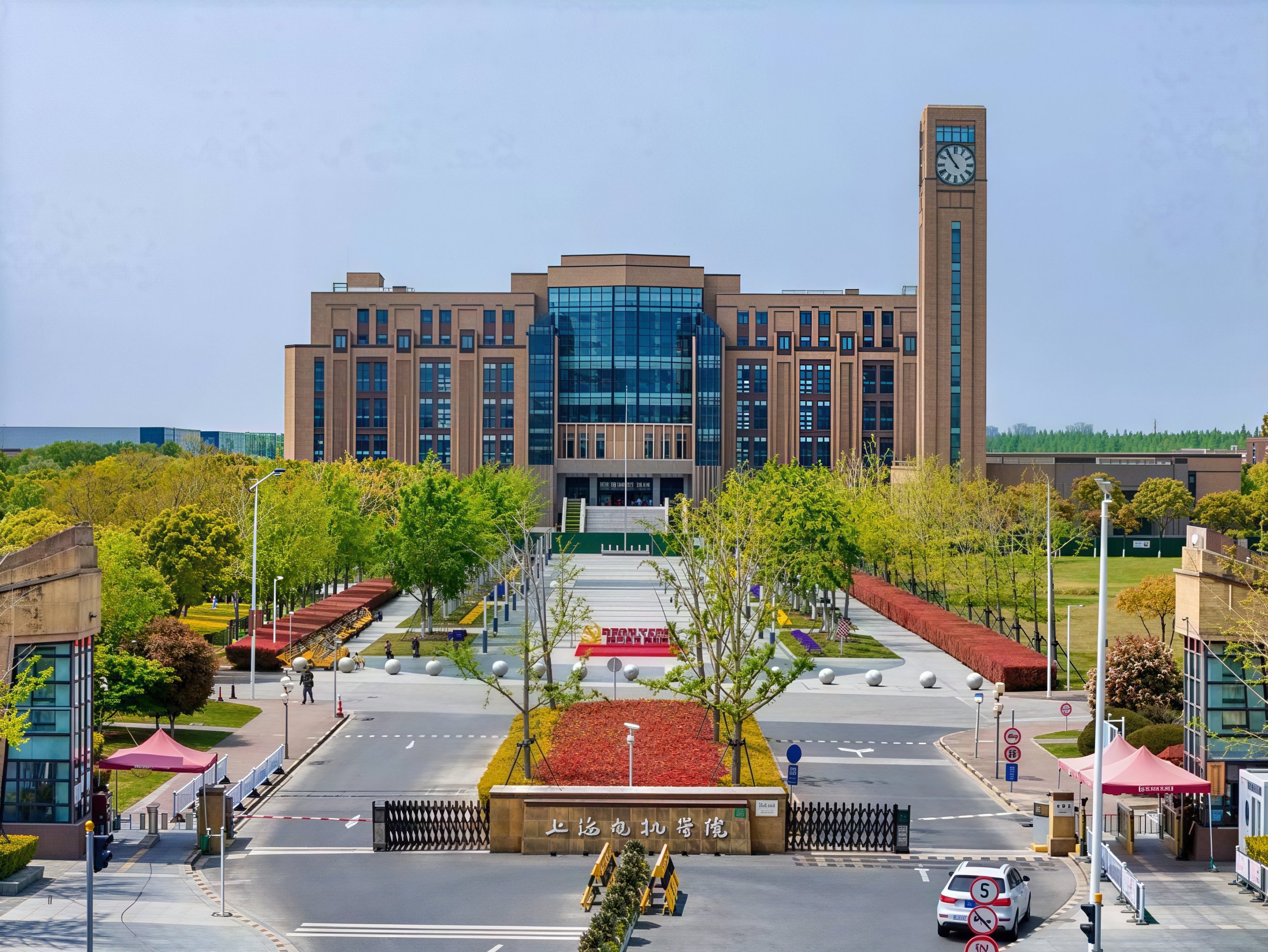
Shanghai Electric Power University is a comprehensive university with a main emphasis on engineering, featuring harmonious development in economics, management, literature, art, and science disciplines. The predecessor of the school was Shanghai Electrical Appliances Manufacturing School, established in 1953, which progressed through Shanghai Electric Motor Manufacturing School, Shanghai Electric Motor Manufacturing Technical College, and Shanghai Electric Motor Technology College. In 1985, the school became one of the first in the country to pilot a five-year technical education program, and in 2002, it was listed as a key vocational college for construction by the state. In 2004, Shanghai Electro-Mechanical Industry School and Shanghai Electro-Mechanical Industry Staff University were integrated into the school; in September of the same year, approved by the Shanghai municipal government, the school was renamed Shanghai Electric Power University and upgraded to a full-time undergraduate institution. In 2011, the school was designated as a pilot institution for professional master's degree education under the \"Talent Cultivation Project to Serve National Special Needs\" by the National Degree Committee, and began offering master's programs. In 2020, the school was approved by the National Degree Committee as an institution authorized to confer master’s degrees. Currently, there are 13,400 full-time enrolled students, including over 11,000 undergraduate students; the employment rate of graduates has consistently remained above 96%, and the quality of talent cultivation enjoys a good reputation. The school has successively become one of the first CDIO pilot institutions nationwide and one of the first demonstration institutions for deepening innovation and entrepreneurship education reform in Shanghai, awarded titles such as \"National Advanced Unit for Vocational Education,\" \"National May Day Labor Medal,\" \"Outstanding Contribution Award for Skill Talent Cultivation,\" \"Advanced Collective for Promoting Employment in Shanghai,\" \"Civilized Unit in Shanghai,\" and \"Demonstration School for Law-based Governance in Shanghai.\" It currently has 15 second-level teaching units and possesses national-level practical engineering education centers, Shanghai Engineering Technology Research Centers, and World Skills Competition training bases in Shanghai. The school's educational philosophy is to adhere to the strategy of \"technology-oriented, application-based\" education, persist in the path of characteristic development through industry-education integration, actively cultivate outstanding field engineers for Shanghai and the Lingang New Area industries, and strive to become a national model university for applied technology. The school's talent cultivation positioning is to uphold the core mission of cultivating virtue and educating people, adhere to the educational concept of \"trinity\" of value shaping, ability cultivation, and knowledge transmission, and aim to cultivate patriotic and dedicated individuals with solid professional foundations, strong engineering practice and innovation capabilities, skilled at resolving complex engineering issues, possessing international vision and teamwork skills, and rooted in engineering practice and production lines as outstanding field engineers. The school persists in continuous educational reform, continuously improving the quality of talent cultivation. Co-built with enterprises such as China Heavy Machinery, Shanghai Electric, and Lingang Group, there are institutions like the Lingang New Area Intelligent Manufacturing Industry College, the Lingang Mingke New Motor and Control Industry College, and the Shanghai Electric Li Bin Technician College. It offers 44 undergraduate majors, including 2 construction points of first-class undergraduate majors, 17 Shanghai-level construction points, 2 national-level distinctive major construction points, 3 majors under the Ministry of Education's \"Outstanding Engineer Education Training Program,\" 11 pilot majors for applied undergraduates, 1 Shanghai-level demonstration fully English-taught major, 6 majors that have passed engineering education certification, and 3 majors that have passed new liberal arts education certification. The school adheres to the leadership role of disciplines, continuously enhancing core research innovation capabilities. It has established 11 key disciplines at various levels, with \"Materials Science and Engineering\" being a peak discipline of the fourth category in Shanghai, \"Mechanical Engineering\" being a plateau discipline of the second category in Shanghai, \"Electrical Engineering\" being a monitored construction discipline of first-class disciplines in Shanghai, and \"Power Electronics and Power Transmission\" and \"Mechanical Manufacturing and Automation\" being key construction disciplines by the Shanghai Municipal Education Commission. The school is committed to building an applied technology faculty team, housing high-level talents such as national-level candidates of the Hundred Thousand Talents Program, National Outstanding Youth Scholars, experts enjoying government special allowances, and Shanghai leading talents. It currently has 1053 faculty and staff members.including 853 full-time faculty members, where over 48.07% have earned doctoral degrees, and 44.43% are dual-qualified instructors.\nThe school adheres to the principle of openness for development, actively introducing high-quality international educational resources. It has been approved to set up the Sino-German Institute of Intelligent Manufacturing at Shanghai Electric Power University. The school has established cooperative relationships with 93 universities in 29 countries (regions) and engages in credit recognition exchanges with nearly 30 universities. In recent years, it has sent over 1,350 students for overseas study and exchange programs. The school actively serves the national \"Belt and Road\" initiative, actively participating in educational cooperation and exchange with universities along the Belt and Road, offering four fully English-taught majors including Automation and a Sino-foreign cooperative education program in International Economics and Trade. Each year, it receives more than 300 international students from over 30 countries and regions to pursue degree studies, short-term exchanges, and language training.\nGuided by Xi Jinping Thought on Socialism with Chinese Characteristics for a New Era, the school thoroughly implements the spirit of the 20th National Congress of the Communist Party of China and President Xi Jinping's series of important speeches on education. It actively adapts to the new situation and normal of national and Shanghai socio-economic development, focusing on the fundamental task of moral education, cultivating outstanding field engineers, deepening comprehensive educational reform, accelerating the construction of a national demonstration applied technology university, and making significant contributions to serving national strategies, promoting urban development, and supporting the Lingang area’s industries.
Shanghai
Xi'an Shiyou University
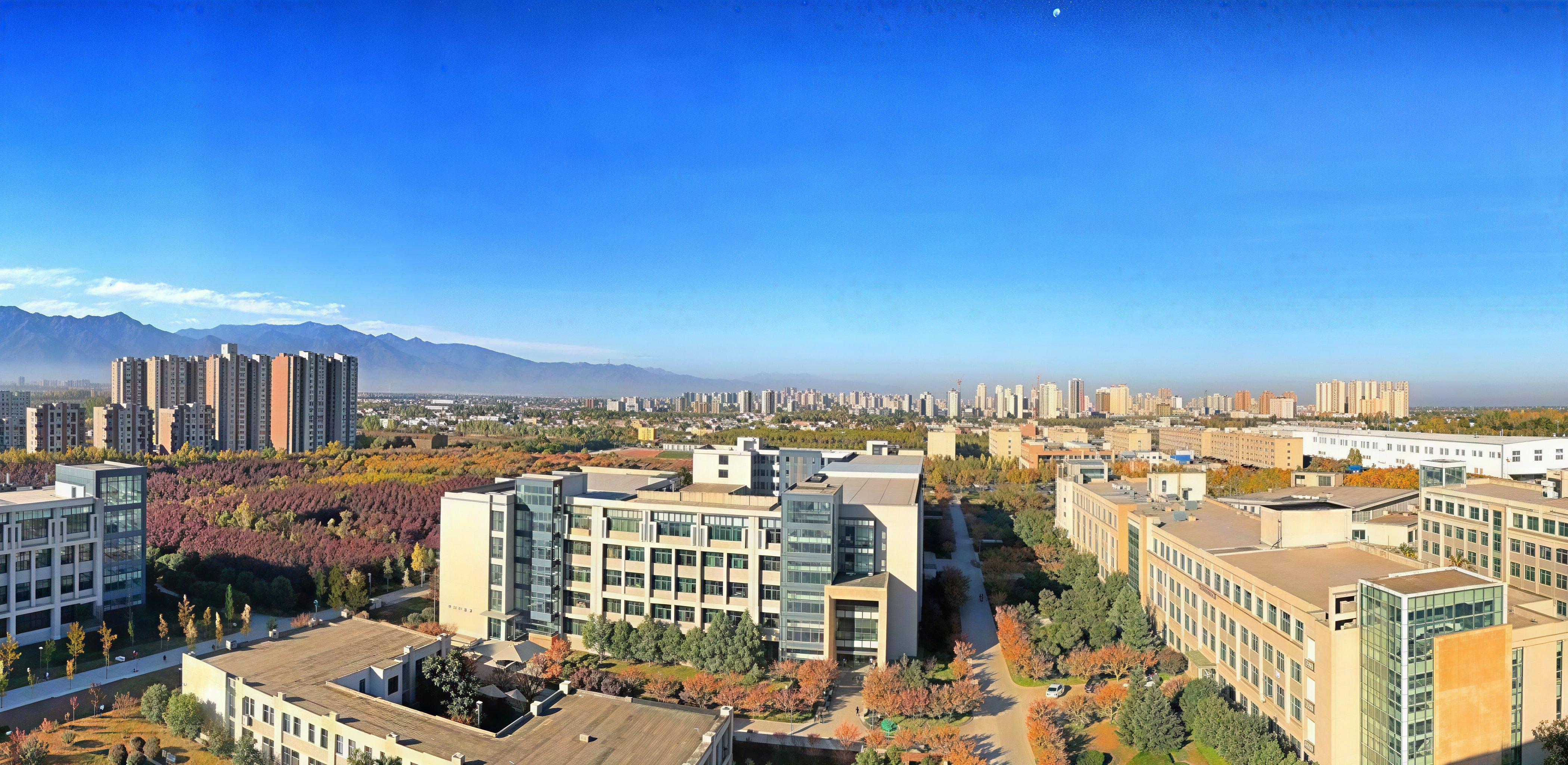
Xi'an Petroleum University was founded under the close care and advocacy of veteran proletarian revolutionaries like Xi Zhongxun. It is the only comprehensive university in China's northwest region, characterized by its focus on petroleum and petrochemical industries. Its educational history can be traced back to the Lanzhou Surveying and Drilling Training Class held by the Central Fuel Industry Bureau's Petroleum Administration during the early days of the PRC. The school was established in October 1951, approved by the Finance and Economy Committee of the Northwest Military and Political Committee, and was affiliated with the Central Fuel Industry Bureau under the name Northwest Petroleum Industry College. In 1958, it was upgraded to a bachelor's degree-granting institution and renamed Xi'an Petroleum Institute. In 1969, the school was converted into a factory. In 1980, with approval from the State Council, Xi'an Petroleum Institute resumed its educational operations, now under the Petroleum Industry Department. In 1990, the school was granted the authority to award master's degrees. In 2000, it was transferred from the China National Petroleum Corporation to joint management by the central government and local authorities, primarily managed by the Shaanxi Provincial Government. In 2003, it was renamed Xi'an Petroleum University and approved to co-cultivate doctoral students. In 2018, the school was granted the authority to award doctoral degrees.\nThe university is co-built by the three major national oil companies and the Shaanxi Provincial Government, and is a key construction institution for the \"14th Five-Year Education Powerhouse Promotion Project.\" It is also a self-enrollment institution for Chinese Government Scholarship students coming to China, a \"Double First-Class\" cultivation university in Shaanxi Province, and a high-level university construction institution.\nThe university currently has three campuses: Yanta, Mingde, and Huyi. The Yanta campus is located at No. 18, East Section of Electronics Second Road, Xi'an City; the Mingde campus is located at No. 11, Zhaoba Dong Road, Xi'an City; and the Huyi campus is located at No. 560, Fengjing Road, Xi'an City. The total land area is approximately 1370 acres, with a total value of fixed and intangible assets of 3.473 billion yuan.\nThe university recruits students from all 31 provinces (regions, municipalities), Hong Kong, Macao, and Taiwan regions, and has 18 colleges (departments). Currently, there are over 17,000 undergraduate students, more than 3,900 full-time graduate students, over 1,200 non-full-time graduate students, more than 1,000 international students, and over 23,000 continuing education students. Since its establishment, the university has graduated over 170,000 students.The school has distinct characteristics in its disciplines and majors, covering eight categories: science, engineering, economics, management, literature, law, education, and arts, with a complete system for cultivating talent from bachelor’s to doctoral levels. It has 1 first-level doctoral discipline, 5 second-level doctoral disciplines, 16 first-level master's disciplines, and 15 categories of professional master's degrees; engineering has entered the top 1% globally in the ESI ranking and was awarded the \"National Characteristic Engineering Master's Education Field.\" It boasts 1 provincial first-class discipline, 7 provincial advantageous disciplines, and 1 provincial characteristic project in philosophy and social sciences. The school hosts a postdoctoral research station in petroleum and natural gas engineering and serves as a provincial postdoctoral innovation base. It offers 59 undergraduate programs, including 12 national first-class undergraduate majors, 5 national characteristic majors, 5 pilot majors under the \"Outstanding Engineer Education Training Program\" by the Ministry of Education, and 3 comprehensive reform pilot projects at the national level. There are also 15 provincial first-class undergraduate majors, 10 provincial characteristic majors, 5 provincial brand majors, and 10 second bachelor's degree majors. The school qualifies as a \"recommended institution for outstanding graduating undergraduates to pursue master's studies without examination.\"\n\nThe faculty team has grown steadily, with ongoing improvements in structure and quality. Currently, the school employs over 1,860 staff members, including more than 1,330 full-time teachers, among them, over 720 hold senior titles, including 48 professors at levels two and three. Over 30 national talents are affiliated with the school, including experts enjoying government special allowances, national model teachers, excellent teachers, and participants in the National Hundred-Thousand-Ten Thousand Talents Program. Additionally, there are over 90 provincial talents, such as outstanding contributors, \"Three Qin Scholars,\" special support plan recipients, teaching masters, excellent teachers, humanities talents, role models of teacher ethics, and advanced workers. The school has one national-level Huang Danya-style teacher team, two provincial-level Huang Danya-style teacher teams, and 21 provincial teaching teams.\n\nThe school places significant emphasis on education and teaching, continuously deepening reforms to enhance the quality of talent cultivation.In 2007, the university achieved an \"excellent\" grade in the Ministry of Education's evaluation of undergraduate teaching quality. In recent years, it has secured two second-place awards in national teaching achievement awards, 50 provincial teaching achievement awards, and ten industry education society teaching achievement awards; it has also received two provincial outstanding graduate textbook awards and five provincial degree and graduate education society teaching achievement awards. It has been approved for 51 first-class undergraduate courses at the national and provincial levels, 62 provincial high-quality courses, and 10 course-based ideological and political demonstration courses. It has been approved for five provincial graduate joint training demonstration stations, two provincial innovation and entrepreneurship education reform pilot colleges, 17 experimental teaching (virtual simulation) demonstration centers, 15 innovative talent cultivation model experimental zones, and seven off-campus practical education bases. It has been approved for 52 projects under the Ministry of Education's industry-university cooperation and co-education program, six \"new engineering\" and \"new liberal arts\" research and practice projects by the Ministry of Education and Shaanxi Province, seven Shaanxi Province graduate education comprehensive reform research and practice projects, and eleven Shaanxi Province professional degree graduate teaching cases. Students have won over 6,100 awards in provincial or higher-level subject competitions and scientific innovation activities. The university is a provincial science popularization education base, a practical education and innovation entrepreneurship base, an innovation and entrepreneurship education research and training base, and a China Petroleum Society science popularization education base.\nThe university focuses on cultivating a brand of talent characterized by honesty, solid foundations, simple style, down-to-earth work, and innovation, which makes its graduates highly sought after by employers. It has been consecutively recognized as an advanced unit for graduate employment work by the Ministry of Education and Shaanxi Province, and has been approved as a provincial demonstration graduate employment and entrepreneurship guidance service institution. Its employment work has been highlighted by mainstream media such as CCTV, Guangming Daily, Shaanxi Daily, China Youth Daily, China Education Daily, China Petroleum Daily, Xinhua News Agency, and Guangming Network. The university's educational history and talent cultivation achievements have been featured in the theoretical documentary \"Sincerity\" commemorating the 110th anniversary of Xi Zhongxun's birth.The university focuses on the national energy strategy and regional socio-economic development needs, actively engaged in scientific research, constantly enhancing its innovation capabilities. It has 45 national and provincial-level research facilities, 1 provincial key science and technology innovation team, and 14 Shaanxi university youth innovation teams, developing seven key research specialties including oil and gas exploration theories, technologies, and engineering applications. Over the last five years, more than 800 national and provincial-level research projects were initiated; it has received over 911 million yuan in research funding. It has garnered over 80 national and provincial-level science and technology awards; more than 670 national invention patents have been granted; over 400 academic publications have been released; and with over 2,700 academic papers indexed by SCI, EI, and ISTP. The university actively engages in international exchanges and cooperation, continuously strengthening its internationalization efforts and standards.Has formed cooperative ties with 103 universities (institutions) abroad, and runs the \"1+2+1 China-US Talent Training Program\" with 28 universities in the United States; offers the \"2+2 Dual Degree Bachelor’s Program\" with universities in countries such as the US, Russia, and South Korea; provides \"4+1\", \"4+2\" master’s programs, and doctoral scholarship programs with universities in countries such as the US, UK, and Germany; participates in exchange student programs with universities in countries such as Russia, the US, and Hong Kong and Macau regions; provides short-term study abroad programs during winter and summer vacations with countries such as the US, UK, Germany, France, and Japan; actively collaborates in establishing Confucius Institutes and conducting joint educational programs with countries like the Philippines and India. The school actively engages in international student education, recognized by the Ministry of Education as a university accepting international students on government scholarships, a self-recruiting institution, and a \"Demonstration Base for International Student Education,\" having passed the quality certification for international student higher education; the number of international students ranks among the top in both industry-related universities and provincial universities, having cumulatively educated over 10,000 international students from 93 countries.\nThe school has received numerous honorary titles successively, including \"National Advanced Collective in Educational Discipline Inspection and Supervision,\" \"Provincial Advanced Grassroots Party Organization,\" \"Advanced University-level Party Committee in Shaanxi Higher Education,\" \"Advanced Collective in Publicity and Spiritual Civilization Work in the Provincial Education System,\" \"Provincial Model Collective for Ethnic Unity and Progress,\" and \"Advanced Unit in the 'Double Hundred' Project.\" The school is recognized as a provincial \"Civilized Campus\" and \"Safe Campus,\" and has been designated as a patriotic education base in Shaanxi Province.The school adheres to the oil spirit in its administration, the Iron Man spirit in education, and the Yan'an spirit in shaping the soul. It upholds the school ethos of \"unity, diligence, seeking truth, and innovation,\" the motto of \"diligent learning and self-improvement,\" and the educational philosophy of \"patriotism, dedication, hard work, scientific truth-seeking, and pioneering progress.\" The school fully implements the fundamental task of fostering virtue and cultivating talent, insisting on intrinsic, distinctive, coordinated, and innovative development. It continuously enhances capabilities in talent cultivation, scientific research, social service, innovation in cultural heritage, and international cooperation and exchange, striving to build the school into a distinctive high-level teaching and research institution.
Shaanxi Province, Xi'an City
Harbin Institute of Technology, Weihai
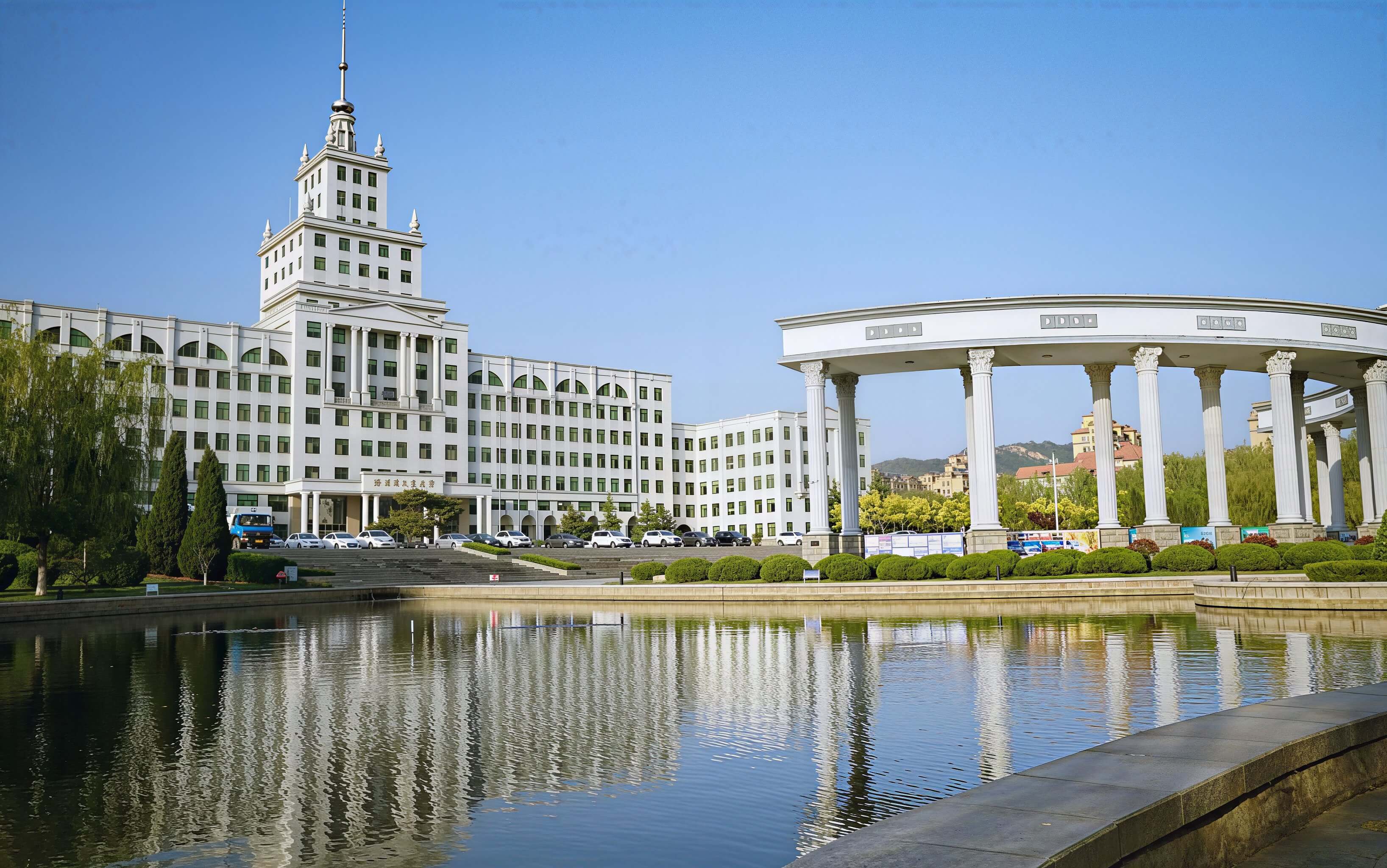
Harbin Institute of Technology (Weihai) is an important component of Harbin Institute of Technology's one campus, three districts. The branch campus was established in 1985 and renamed Weihai Campus in 2002. As a part of the One University, Three Zones initiative, Harbin Institute of Technology (Weihai) has also been included in the 211 Project and is one of the nine key universities under the C9, 985 Project, and Double First Class construction targets of the world-renowned high-level universities.
Shandong Province, Weihai City
Xi'an Jiaotong-Liverpool University
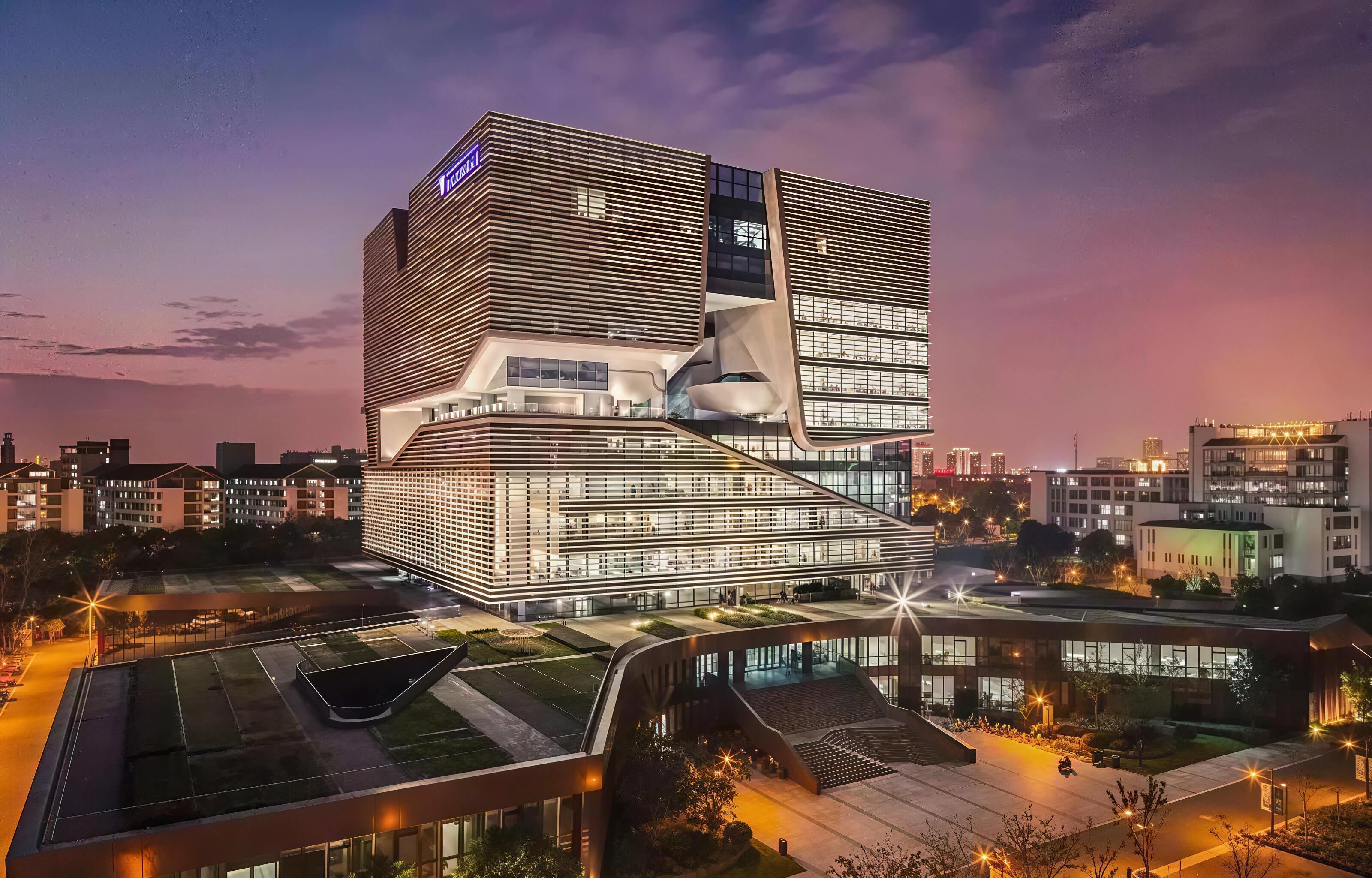
XJTLU (short for Xi Jiaotong-Liverpool University, abbreviated as 'XJTLU') is an innovative international university approved by the Ministry of Education of China, jointly established by Xi'an Jiaotong University and the University of Liverpool, with independent legal status and distinct characteristics. It is currently the largest Sino-foreign cooperative university in China, beginning with science, engineering, and management disciplines, with strong collaborative efforts, and authorized to award bachelor’s degrees recognized by the People's Republic of China and the University of Liverpool.\n\nLeading Higher Education\nXJTLU recruits undergraduate and graduate students from both domestic and overseas regions. Currently, it offers 48 undergraduate majors and directions, 48 master’s programs and directions, and 17 doctoral research directions, covering disciplines such as science, engineering, management, economics, literature, art, and education. Except for public foundational courses, all university courses are taught in English. Undergraduate graduates receive both a bachelor’s degree certificate from XJTLU, recognized by the Chinese Ministry of Education, and a bachelor’s degree from the internationally recognized University of Liverpool. Graduates can earn a degree from the University of Liverpool, recognized by the Chinese Ministry of Education. All academic departments at XJTLU offer doctoral programs, and the continuous investment and emphasis on graduate education are essential for XJTLU to achieve its vision of being a \"research-oriented, distinctive, and globally recognized Chinese university and international university on Chinese soil.\"\n\nLeading the Way in Higher Education Reform\nSince its establishment on May 23, 2006,Since its founding on May 23, 2006, Xi'an Jiaotong-Liverpool University has developed over more than ten years, exploring and creating a uniquely distinctive \"five-star\" educational model and student development system. It has established and improved modern university management and operational mechanisms suitable for future societal needs, building a high-level talent team. Its unique university philosophy, high-standard talent cultivation quality, and strong international characteristics have attracted extensive attention and recognition from all sectors of society, earning it the reputation as a \"benchmark for Sino-foreign cooperative universities\" and a \"pioneer in China's higher education reform.\"\n\nDistinctive Educational Philosophy\nXi'an Jiaotong-Liverpool University focuses its core philosophy on enabling both teachers and students to achieve a \"Happy Life and Successful Career,\" with the primary goal of protecting and enhancing human survival abilities. The core values include diversity, rules, innovation, freedom, and trust. Utilizing its governance structure and management models, it directly faces global trends and future developments, combining the essence of Eastern and Western cultures and education, integrating global resources, and exploring new models of higher education to cultivate globally competitive world citizens, aiming to influence the development of education in China and the world.\n\nWorld Citizens Possessing Global Vision\nCurrently, Xi'an Jiaotong-Liverpool University has over 25,000 registered domestic and international students, including those studying at the University of Liverpool. XJTLU provides an internationalized educational environment, a rigorous international quality control system for teaching, a student work system centered around student self-governance and school guidance services, and a four-mentor system. The university regards students as \"young adults,\" prioritizing their healthy growth, guided by interest and centered on learning, emphasizing autonomy and teamwork, aiming to foster individuals with knowledge, skills, and qualities who have a global perspective and competitiveness.Graduates of Xi'an Jiaotong-Liverpool University pursue further studies or embark on careers globally.The placement rate upon graduation for the class of 2023 undergraduate graduates from the mainland reached 93.23%, with 86.66% pursuing further studies and 6.57% entering employment. Among the 3,427 graduates, 2,970 chose to pursue further education in China or abroad, including 26 who pursued direct entry into doctoral programs, 2,938 who pursued master's degrees abroad, and 6 who pursued further studies domestically; additionally, 225 chose employment. Among those pursuing master's degrees abroad, 36.11% were admitted to top ten universities worldwide, 71.14% to universities ranked in the top fifty globally, and 89.52% to universities ranked in the top hundred globally. The main employers of the employed graduates include: China Aerospace Science and Industry Corporation, China Huaneng Group, State Grid Corporation of China, China Telecom, the Big Four audit firms, China Construction Group, China Railway Construction Corporation, Sinopec, SAIC Motor, Tencent, Procter & Gamble, ByteDance, JD.com, and the four major state-owned banks, among others.\nFor the class of 2022 graduate and doctoral students from the mainland, 831 master’s degree graduates chose employment, while 74 continued their studies. Schools for further study included Yale University, New York University, Columbia University, University of Science and Technology of China, University of Chinese Academy of Sciences, and Zhejiang University, among others. Thirty-eight doctoral graduates opted for employment. Main employers included Tsinghua University, Fudan University, University of Science and Technology of China, Soochow University, Suzhou Institute of Nanotechnology and Microfabrication of the Chinese Academy of Sciences, Alibaba, AWei Semiconductor, and Zhongtai Securities, among others.\nHigh-caliber International Faculty\nXJTLU recruits faculty based on world-class university standards and has consistently introduced top international scholars and experts. As of September 2023, there are over 1,800 academic staff, including 1,200 full-time international faculty members. All professional course teachers possess PhDs from internationally recognized universities and have extensive teaching and research experience.\nSuperior Location and Environment\nXJTLU is located in Suzhou, a city known as the \"paradise on earth,\" a millennium-old ancient city.\"Suzhou, the ancient city known as the 'Paradise on Earth,' not only preserves its ancient urban landscape with water and land routes running parallel and its tradition of valuing education, but it is also a modern city that keeps up with the times and is open to the world. In recent years, its gross domestic product has grown rapidly at an annual growth rate of nearly 15%, consistently ranking among the top five cities in terms of GDP in mainland China. Particularly, the internationally renowned Suzhou Industrial Park, established by China and Singapore, gathers numerous Fortune 500 companies and international cooperation enterprises and research institutions, offering unparalleled socio-economic environment and ample development opportunities for Xi'an Jiaotong-Liverpool University located within it.
Jiangsu Province, Suzhou City
Jiangsu University
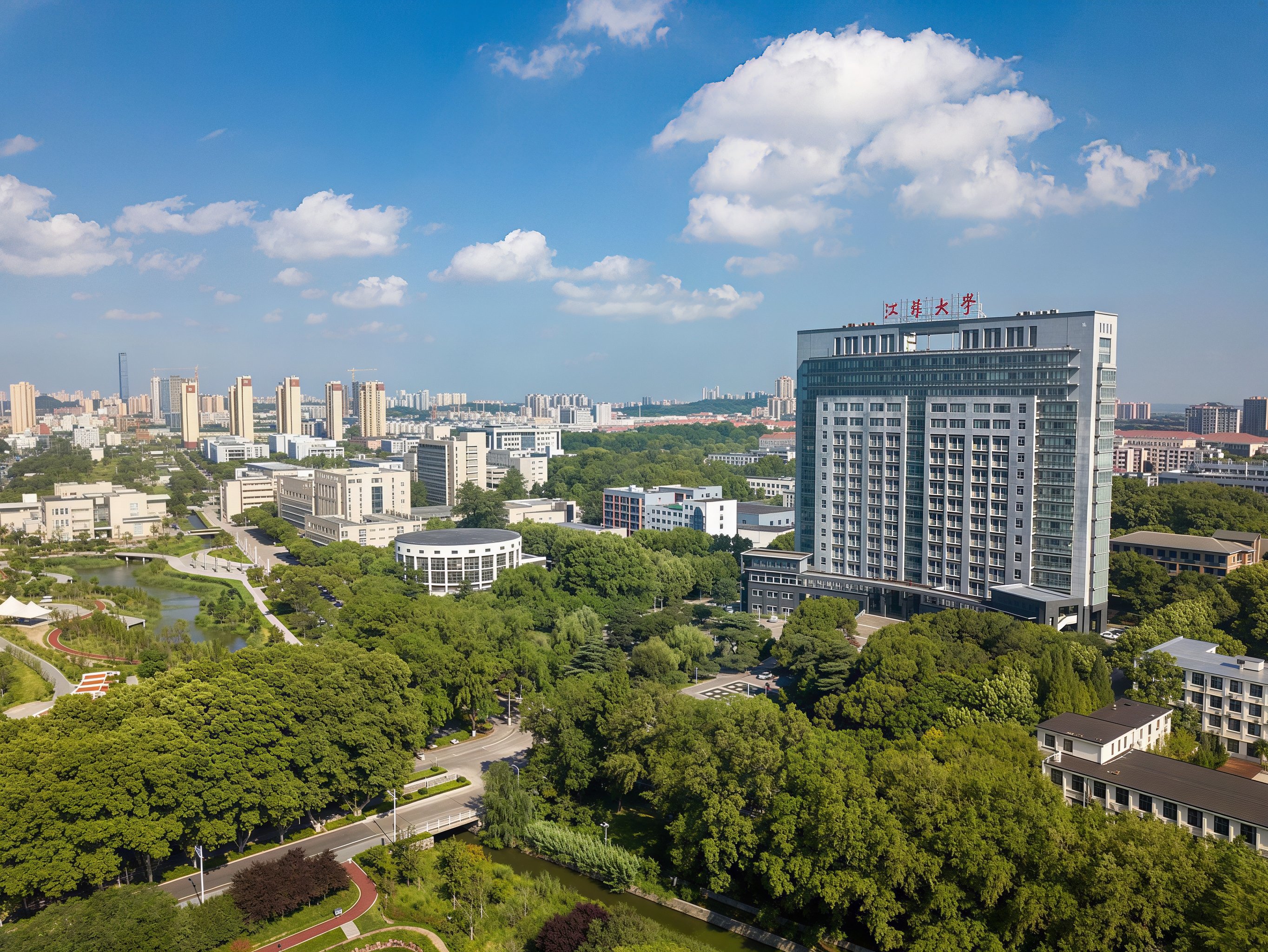
Jiangsu University was established in August 2001 with approval from the Ministry of Education, formed through the merger of the former Jiangsu Institute of Technology, Zhenjiang Medical College, and Zhenjiang Teachers' College. It is a key comprehensive university co-built by the Jiangsu Provincial Government, the Ministry of Education, and the Ministry of Agriculture and Rural Affairs. It is also one of the first batch of high-level universities under construction in Jiangsu Province, an outstanding university for undergraduate teaching nationwide, one of the first 50 universities with exemplary practices in graduate employment nationwide, a university with exemplary practices in innovation and entrepreneurship nationwide, one of the first universities to receive quality certification for international student education, and a pilot university for comprehensive reform of all-round education.\n\nThe university has a century-long history of education and rich cultural heritage. The predecessor of the former Jiangsu Institute of Technology, Zhenjiang Agricultural Machinery College, was established independently by Nanjing Institute of Technology (now Southeast University) in 1960 to implement Mao Zedong's directive that \"the fundamental solution for agriculture lies in mechanization.\" Its educational history can be traced back to the Sanjiang Normal School founded by Liu Kunyi, Zhang Zhidong, and others in 1902. As the earliest institution to establish agricultural machinery majors and systematically conduct agricultural machinery education in China, the university has consistently focused on serving Jiangsu and the industry, with a mission to promote agricultural mechanization and modernization in China. It has educated the first batch of bachelor's and master's degree holders in agricultural machinery, as well as the first doctoral and postdoctoral candidates in this field, contributing significantly to the cultivation of agricultural machinery talent, scientific and technological innovation, and promoting farmers' income growth, agricultural development, and rural stability. This has fostered a distinct educational feature and unique cultural ethos of 'integrating agriculture within engineering to strengthen agriculture.'\n\nWith more than 40,000 students, including over 14,000 graduate students and over 2,300 international degree-seeking students, the university occupies an area of over 3,000 acres and has a total building area of over 1.2 million square meters. The total value of teaching and research instruments and equipment amounts to 1.38 billion yuan. The library has a collection of over 3.3 million books and subscribes to 116 databases, including 11 self-built specialized databases. The university has 11 advantageous disciplines in Jiangsu colleges, 15 first-level doctoral programs, 45 first-level master's programs, and 21 categories of professional master's degrees.Postdoctoral Research Stations\nThe university has a high initial standard of education and its overall strength consistently ranks among the top 100 in the country. As early as 1978, the school was designated by the State Council as one of the 88 key universities nationwide, and in 1981, it became one of the first institutions with the authority to confer doctoral and master's degrees. In recent years, the school has focused on high-quality development with distinctive characteristics, striving to create a high-level university, thereby continuously enhancing its influence both domestically and internationally, and steadily improving its position in prestigious global university rankings.\nThe university has a large scale of education and excellent educational conditions. It covers 11 major disciplines including engineering, agriculture, science, medicine, management, economics, philosophy, law, literature, education, and art. It has 34 teaching institutions and 97 undergraduate programs. There are over 2,700 full-time teachers (with more than 43% having overseas experience of over one year), attracting a pool of high-caliber talent. The total number of students is over 40,000, including more than 14,000 graduate students and over 2,300 international students pursuing degrees (with a graduate student ratio reaching 54%). Jiangsu University Jingjiang College has more than 11,000 full-time students. The campus covers more than 3,000 acres, with a total building area of over 1.2 million square meters. The total value of teaching and research instruments is 1.38 billion yuan. The library has a building area of 51,000 square meters, with a collection of 3.3 million books, subscribing to 116 various databases, and building 11 unique specialty databases. It also houses the Ministry of Education Science and Technology Search Station, Agricultural Equipment Literature Resource Center, and International Pearl S. Buck Literature Resource Center. It owns a Grade III-A affiliated hospital integrating medical treatment, education, research, and prevention. It has Jiangsu University Press and magazine, publishing close to 3,000 book titles, and hosting 11 international and domestic academic journals.Among them, the \"Journal of Jiangsu University\" (Natural Science Edition), \"Journal of Jiangsu University\" (Social Sciences Edition), and \"Journal of Drainage and Irrigation Machinery Engineering\" are core Chinese journals. \"Higher Education Management\" is a CSSCI source journal, a core Chinese journal, and an important source for reprints in Renmin University's Reprint Materials.\n\nThe university has a high level of education and possesses a number of high-level disciplines. Fourteen disciplines, including engineering, materials science, clinical medicine, chemistry, agricultural sciences, pharmacology and toxicology, biology and biochemistry, environmental ecology, molecular biology and genetics, computer science, plant and animal sciences, general social sciences, physics, and immunology, have entered the top 1% globally in the ESI ranking, with three disciplines—engineering, chemistry, and agricultural sciences—entering the top 1‰. It has two national key disciplines, one national key (cultivation) discipline, and eleven advantageous disciplines in Jiangsu universities. It possesses fifteen first-level doctoral programs, forty-five first-level master's programs, and twenty-one categories of master's professional degree programs. It has set up fourteen postdoctoral research stations.\n\nThe school adheres to student-centered education and prioritizes fundamentals, taking moral education as its fundamental task, promoting all-around development of students in morality, intelligence, physical fitness, aesthetics, and labor, and continuously improving the quality of autonomously cultivated talents. In recent years, the school has won eleven national teaching achievement awards, forming high-quality educational resources represented by forty nationally recognized first-class majors, a number of national characteristic majors, national first-class undergraduate courses, national modern industrial colleges, national experimental teaching demonstration sites, outstanding national teaching teams, and national virtual teaching and research rooms; the employment rate of graduates has consistently maintained at 96%.Above all; students have performed excellently in major national college student competitions, receiving the \"Excellence Cup\" in the \"Challenge Cup\" National College Students' Extracurricular Academic and Technological Works Competition in 8 consecutive sessions, and achieving two gold awards in the National College Student Entrepreneurship Plan Competition for 4 consecutive sessions. The university's men's volleyball team has repeatedly won national championships, and the women's football team has won the third place in the World University '5-a-side' Football Championship.\nThe school upholds the \"four orientations,\" strengthens organized research, and continuously improves its service level for high-level scientific and technological self-reliance and self-strengthening. It has won 16 national science and technology achievement awards, 3 He Liang He Li Foundation Science and Technology Innovation Awards, 6 National Outstanding Youth Fund projects, and 3 China Patent Gold Awards; it boasts several national-level innovation platforms such as the National Pump and System Engineering and Technology Research Center, the National-Local Joint Engineering Center for Hybrid Power Vehicles, and the National Digital Agricultural Equipment Innovation Sub-center. It collaborates with Zhenjiang City to build the Zhenjiang National University Science Park and has established the National Intellectual Property Training Base in Jiangsu. The Modern Agricultural Equipment and Technology Collaborative Innovation Center initiated by the school has been recognized as a provincial-ministerial collaborative innovation center.\nThe school persists in improving quality and efficiency, continuously enhancing the level of educational openness in the new era. It has formed long-term cooperative partnerships with 242 universities and research institutions in 64 countries and regions including the United States, the United Kingdom, Germany, Austria, Australia, and Japan.established long-term cooperative relationships with 242 universities and research institutions. It has established the Jiangsu University Cranfield Future Technology Graduate School, a Sino-British joint institute for graduate studies, and a joint education program in mathematics and applied mathematics. It has jointly launched 21 collaborative training programs with universities such as the University of Queensland, Macquarie University in Australia, and Northern Arizona University in the United States. It has also jointly built several international scientific research cooperation platforms including the International Joint Research Center for Health Management of Key Structures in High-End Equipment, the International Joint Research Center for Energy-Saving Technology in Fluid Engineering Equipment, the World Food Preservation Research Center, and the Innovation and Talent Introduction Base for Advanced Fluid Machinery Equipment and Technology. It has been approved to establish the United Nations Industrial Development Organization's Global Agricultural Modernization and Food Safety Education and Training Center.\nThe school adheres to the concept of putting teachers and students first, vigorously promoting harmonious campus, democratic rule of law, and campus culture construction, with continuous strengthening of party building innovation. The school's Party Committee has been commended by the Organization Department of the Central Committee of the Communist Party of China as an outstanding grassroots party organization nationally for its pioneering and excellence initiatives, and it has been consistently recognized as an outstanding grassroots party organization in higher education institutions in Jiangsu Province. The school has received honors such as National Healthy School, Civilized Unit of Jiangsu Province, Harmonious Campus, Safe Campus, and Green School.With a new era, new goals, and a new journey, Jiangsu University stays guided by Xi Jinping Thought on Socialism with Chinese Characteristics for a New Era, deeply studying and implementing the important instructions of President Xi Jinping regarding the school. Focusing closely on the core mission of fostering virtue and talent, the university embraces its motto of \"Broad Learning, Seeking Truth, and Moral Excellence\" and the spirit of \"Self-strengthening, Moral Integrity, Practical Work, and Truth-seeking.\" It aims to write a new chapter in the creation of a \"double first-class\" university and the construction of a distinctive high-level institution, contributing more significantly to the comprehensive construction of a modern socialist country and the great rejuvenation of the Chinese nation.
Jiangsu Province, Zhenjiang City
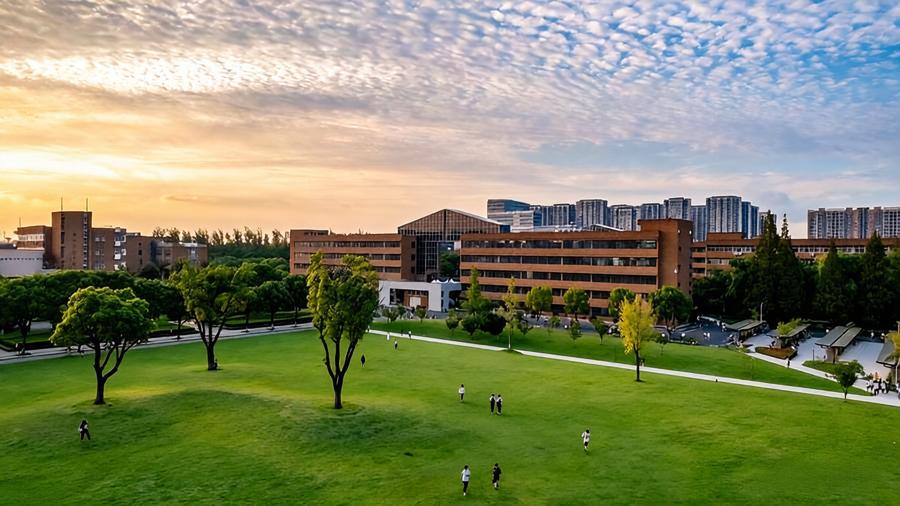
Duke Kunshan University
Kunshan Duke University is committed to building a world-class university with a liberal arts education focus, located in Kunshan City, Jiangsu Province, China, providing a range of high-quality innovative academic programs for students from all over the world. Kunshan Duke University was jointly founded by Duke University in the United States and Wuhan University in China, and received formal approval from the Chinese Ministry of Education in September 2013.\nKunshan Duke University welcomed its first intake of students in August 2014, including graduate students, as well as undergraduate students from Duke University and top universities both domestically and internationally, who engaged in a semester-long exchange program.\nIn August 2018, Kunshan Duke University welcomed its first class of undergraduate students, introducing a four-year undergraduate degree program. The undergraduate curriculum follows the tradition of liberal arts education, emphasizing critical thinking, creativity, collaboration, and exploration.\nKunshan Duke University is located within the Yangcheng Lake Science and Technology Park, covering an area of about 80 hectares, equipped with various high-tech facilities on campus. Visitors can tour advanced classrooms and meeting facilities, library resources, faculty and student dormitories, dining halls, and recreational facilities via the virtual tour of the campus. Multi-functional meeting places, lounges, and study areas on campus provide students with spaces for independent study or group discussions on course content, completing assignments, and participating in diverse campus learning activities.\nKunshan City, Jiangsu Province, is a center for high-tech research and manufacturing, and one of the fastest-growing economies in China. Kunshan City boasts picturesque forests and water towns, adjacent to international metropolises Shanghai and Suzhou, with convenient highway, high-speed rail, and subway transportation.\nThe mission of Kunshan Duke University\nThe mission of Kunshan Duke University is to build a high-level research university rooted in China with a distinctive liberal arts education focus, dedicated to helping students from around the world pursue meaningful and successful lives. The school provides top-tier interdisciplinary undergraduate and graduate education, laying a strong foundation for nurturing students to become leading talents in various fields, academia, and society worldwide. As the core of the school's education, the four-year liberal arts undergraduate degree program features an integrated knowledge system and multidisciplinary fusion, gathering advanced teaching methods and values from China, the United States, and around the globe, fostering a culture of excellence and academic freedom. The school's world-class faculty team upholds the principle of using knowledge to serve society, combining student development with innovative academic and research efforts. As a high-level Sino-foreign cooperative university co-built by China and the United States, Kunshan Duke University aims to organically integrate excellent intellectual traditions and experiences from various countries and regions globally, promoting cross-cultural communication and understanding, collaborative innovation, and international cooperation.\nCore educational principles of Kunshan Duke University:\n• Foster students' curiosity, passion, and pursuit of truth, equipping them with exceptional research skills,has the willingness and capability to come up with creative and reasonable solutions to complex problems and challenges.\n· \nAdopts liberal arts and scientific teaching concepts and models, emphasizing the importance of broad education, free exploration, and in-depth research. Interdisciplinary teaching and research models are based on multiple disciplines, organically integrating knowledge from different fields and advanced research methods.\n· \nCultivates virtues of mutual learning, understanding, tolerance, and mutually beneficial harmony among students, enabling them to work and live in a mutually dependent, multicultural world, and grow into accomplished and high-moral leaders.\n· \nProvides locally grounded, globally oriented social actions and services.\nOn Diversity and Inclusion:\nKunshan Duke University welcomes passionate, creative, and academically motivated faculty, students, and staff from all over the world. We believe that diverse histories, perspectives, experiences, identities, languages, and cultures enrich our community, and we are committed to creating an inclusive environment where all members are accepted and appreciated. Our commitment to inclusivity is rooted in the university's mission.\nStudents and faculty at Kunshan Duke University see differences as opportunities for deep dialogue, creative expression, and innovative thinking. Kunshan Duke University seeks to promote mutual respect and understanding among all people, regardless of cultural, ethnic, racial, religious, gender, sexual orientation, age, nationality, socio-economic background, ability, or other differences. We have a rich and diverse community culture dedicated to nurturing knowledgeable and enthusiastic global citizens.
Jiangsu Province, Suzhou City
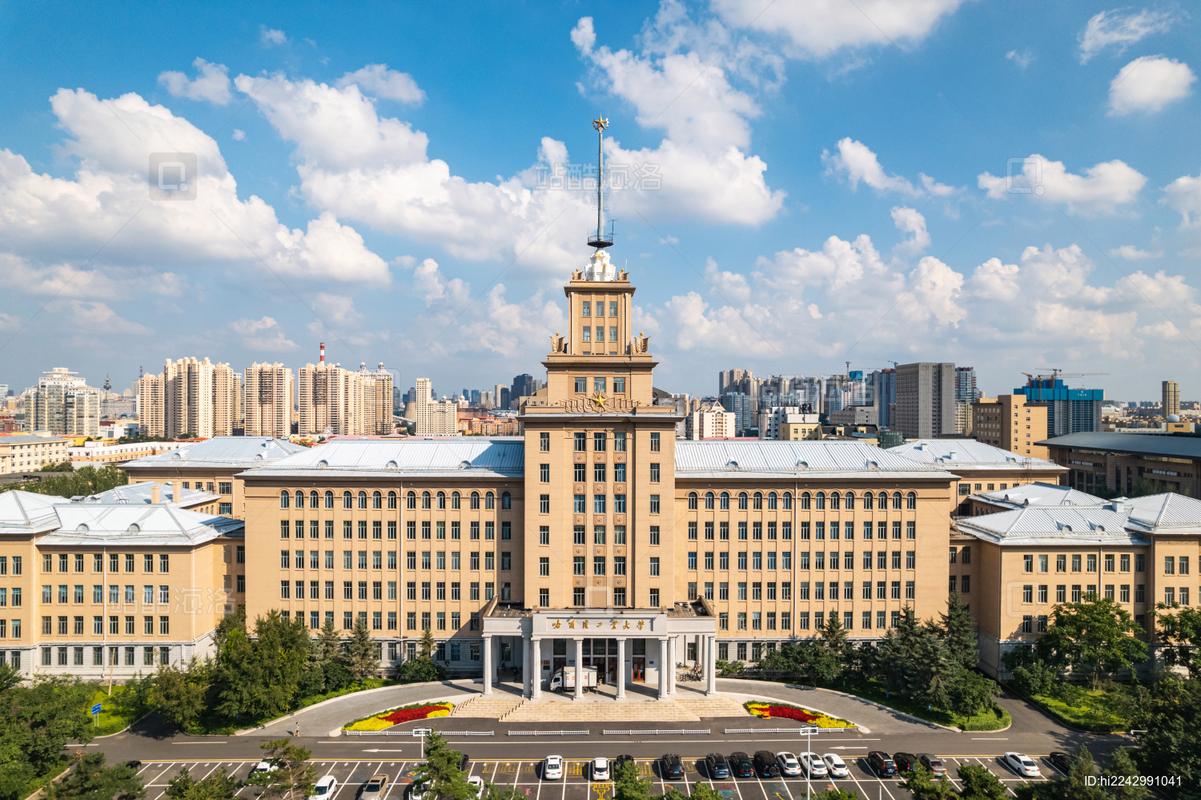
Harbin Institute of Technology
On June 7, 2020, General Secretary Xi Jinping sent a congratulatory letter to celebrate the 100th anniversary of Harbin Institute of Technology (shortened as HIT). The letter noted: Harbin Institute of Technology has a long history. Since the founding of New China, under the leadership of the Party, the school has been rooted in Northeast China, dedicated to patriotism, hard work, and innovation, developing many critical national assets and nurturing a large number of outstanding talents, making significant contributions to the Party and the nation. General Secretary Xi Jinping hopes that the school will adhere to the socialist direction of running schools, focus on the fundamental task of fostering virtue and cultivating talent, continuously innovate and strive for excellence in teaching, education, and scientific research, and make new and greater contributions to achieving the goals of the 'two centenary missions' and the Chinese Dream of the great rejuvenation of the Chinese nation. Under the guidance of the spirit of General Secretary Xi Jinping's congratulatory letter, all members of HIT are striving to pave a new path of excellence with Chinese characteristics, world-class standards, and unique HIT features for the next century.\n\nThe Cradle of Engineers\nHarbin Institute of Technology is affiliated with the Ministry of Industry and Information Technology, with its main campus located at No. 92 Xidazhi Street, Nangang District, Harbin City, Heilongjiang Province. It also has campuses in Weihai City, Shandong Province, and Shenzhen City, Guangdong Province. Founded in 1920, it was designated as one of the two model universities for adopting foreign higher education models in 1951, and entered the list of six key universities in the country in 1954, earning the title of \"the cradle of engineers\". In 1996, it became one of the first batch of key construction universities under the 'Project 211', and in 1999, it was chosen as one of the nine key universities under the 'Project 985'. In 2000, it merged with Harbin Architectural University to form a new Harbin Institute of Technology. In 2017, it was included in the Class A list of the 'Double First-Class' initiative, and in 2022, eight disciplines were selected for the new round of the 'Double First-Class' construction.\n\nThe school has always adhered to the comprehensive leadership of the Party, upheld the socialist direction of running schools, and strictly implemented the president responsibility system under the leadership of the Party committee, focusing on the fundamental task of fostering virtue and cultivating talent, and upholding teacher ethics as the top priority. It has formed a tradition of party building and ideological and political work characterized by 'political leadership, exemplary guidance, brand promotion, and school motto education'. It has won the title of outstanding grassroots party organization four times in 1996, 2001, 2011, and 2021, and the title of outstanding youth league committee four times in 1984, 2011, 2016, and 2021. It has been awarded the National May Day Labour Medal and recognized as an exceptionally outstanding school in the Ministry of Industry and Information Technology's 'One Improvement and Three Excellence' project, among others. It has been chosen as one of the first ten national demonstration schools for party building work. The school continues to leverage its advantages as a demonstration school for party building innovation and entrepreneurship, benchmarking departments, and exemplary branches, constantly refining a grassroots party work system led by the school’s party committee, with the college party committees as the core, the branches as the backbone, and party members as the driving force. It deepens the connotation of ideological and political work brands such as '+branch', 'role model library', and 'workshop', and builds high-quality theory propaganda teams and advanced deeds report teams. In 2021, Academician Liu Yongtan was honored with the titles of 'outstanding Communist Party member of the entire country' and 'model of the times'.\n\nStrict Standards, Solid SkillsThe school adheres to its motto tradition of \"rigorous standards, solid skills,\" forming a distinctive talent cultivation feature characterized by \"strong foundations, robust practice, strict processes, and innovation.\" It has nurtured 113 academicians, 148 university party secretaries and presidents, 122 leaders at or above the deputy ministerial level, 47 generals of the republic, and over 450 chief designers in aerospace and defense. The school has also produced numerous outstanding figures such as recipients of the Medal of the Republic, National Model Worker, National May Day Labor Medal, National Advanced Worker, National Outstanding Teacher, National Outstanding Student Role Model, and National College Student of the Year, among others. In recent years, the school has fully leveraged its advantages in integrating science education and industry-education collaboration, accelerating the reform of talent cultivation on the supply side, innovating personalized training systems for top talents, and strengthening the overall design and resource allocation for all-round development. The innovatively introduced classes like the Yongtan Class, ShanYi Class, Small Satellite Class, and Intelligent Robot Class have been widely welcomed. The students' performance in subject competitions has ranked first among regular universities nationwide for three consecutive years, and the Purple Lilac student micro-nano satellite team has won the China Youth May Fourth Medal.\n\nThe school actively promotes the Harbin Institute of Technology spirit tradition, which includes a patriotic spirit of remembering responsibilities and wholehearted dedication; a pragmatic spirit of pursuing truth and valuing science; a collaborative spirit of embracing diversity and teamwork; and an enterprising spirit of self-improvement and innovation. By adhering to a balanced approach of stability, attraction, and cultivation, and by retaining talents through career prospects, emotional ties, and remuneration, the school has built a faculty team renowned as the \"Eight Hundred Heroes.\" Currently, there are 39 academicians (including dual-hired), 304 high-level national talents, and 225 young national-level talents.The university upholds the concept of \"strong, specialized, excellent, and distinctive\" discipline construction, emphasizing the promotion of engineering, the strengthening of theoretical sciences, and the importance of cross-disciplinary studies. This has fostered a relatively comprehensive disciplinary framework consisting of strengths and specialty disciplines, basic disciplines, new interdisciplinary areas, and supporting disciplines. The university possesses 9 first-tier national key disciplines and 6 second-tier national key disciplines. In the third round of discipline assessments conducted by the Ministry of Education, 10 first-tier disciplines of the university ranked among the top five nationally, with mechanics ranking first in the country. In the fourth round of national discipline evaluations, Harbin Institute of Technology had 17 disciplines listed as Class A, ranking sixth in the country for the ratio of Class A disciplines to authorized disciplines, eighth in terms of the total number of Class A disciplines, and second in the number of engineering-related Class A disciplines.The school adheres to major national strategies, with a focus on \"aerospace, national defense, and engineering excellence.\" It established China's first university-based aerospace college, launched China's first university-developed small satellite, and achieved the country's first ground-to-space laser communication. It also developed China's first computer capable of playing chess and speaking, the first new system radar, the first arc welding robot and spot welding robot, and the first nano-satellite designed, developed, and controlled autonomously by university students. It achieved the world's first high-orbit satellite ground-to-space high-speed laser bidirectional communication experiment, overcoming key technological challenges for the support structure of the world’s largest aperture radio telescope, enabling China's \"Sky Eye\" to function effectively. The space manipulator it developed carried out the world's first human-machine collaborative in-orbit maintenance experiment on Tiangong-2. Its newly developed magnetic focusing Hall thruster was the first in the world to achieve space application. It also achieved the first international in-orbit controllable deployment of shape memory polymer solar cell structures. The successfully launched \"Longjiang-2\" became the world's first microsatellite to independently complete Earth-Moon transfer, lunar orbit insertion, and lunar orbit flight. It contributed to the development of the Mars rover mobility system and transfer slope mechanism, assisting the \"Zhurong\" rover in achieving surface exploration on Mars.The movement system and transfer ramp mechanism assisted \"Zhurong\" in achieving surface patrol detection on Mars. Multiple technological achievements supported China's first lunar sample return mission. The first elucidation of the T cell receptor-co-receptor complex structure became a landmark achievement in the field of international cellular adaptive immunity research. Currently building China's first large-scale scientific project to simulate extreme space environments, it has participated in 14 national major science and technology programs, including the lunar exploration project. It won the National Top Science and Technology Award in 2018, with a cumulative total of 10 projects入选China's top ten scientific advancements in higher education institutions. During the 13th Five-Year Plan period, it took the lead in winning 22 national science and technology awards. Hundreds of achievements have contributed to China's 66 years of aerospace endeavors, and it has received numerous accolades, including the \"Outstanding Contribution Collective Award for China's Manned Space Program.\"Looking towards new journeys, Harbin Institute of Technology will always take Xi Jinping Thought on Socialism with Chinese Characteristics for a New Era as its guiding ideology, be guided by the spirit of President Xi's congratulatory message, deeply comprehend the critical importance of the \"two establishments,\" constantly strengthen the \"four awarenesses,\" resolutely uphold the \"four confidences,\" and uphold the \"two maintains.\" It will focus on the \"two overall situations,\" bear in mind the significant matters of the state, dedicate itself to developing more national treasures and nurturing more outstanding talents, hasten the development of a first-rate university with Chinese characteristics, boldly assume the vanguard role as China’s top aerospace institution, and work hard to make even greater contributions toward achieving the second centenary goal and realizing the Chinese Dream of national rejuvenation!
Heilongjiang Province, Harbin City
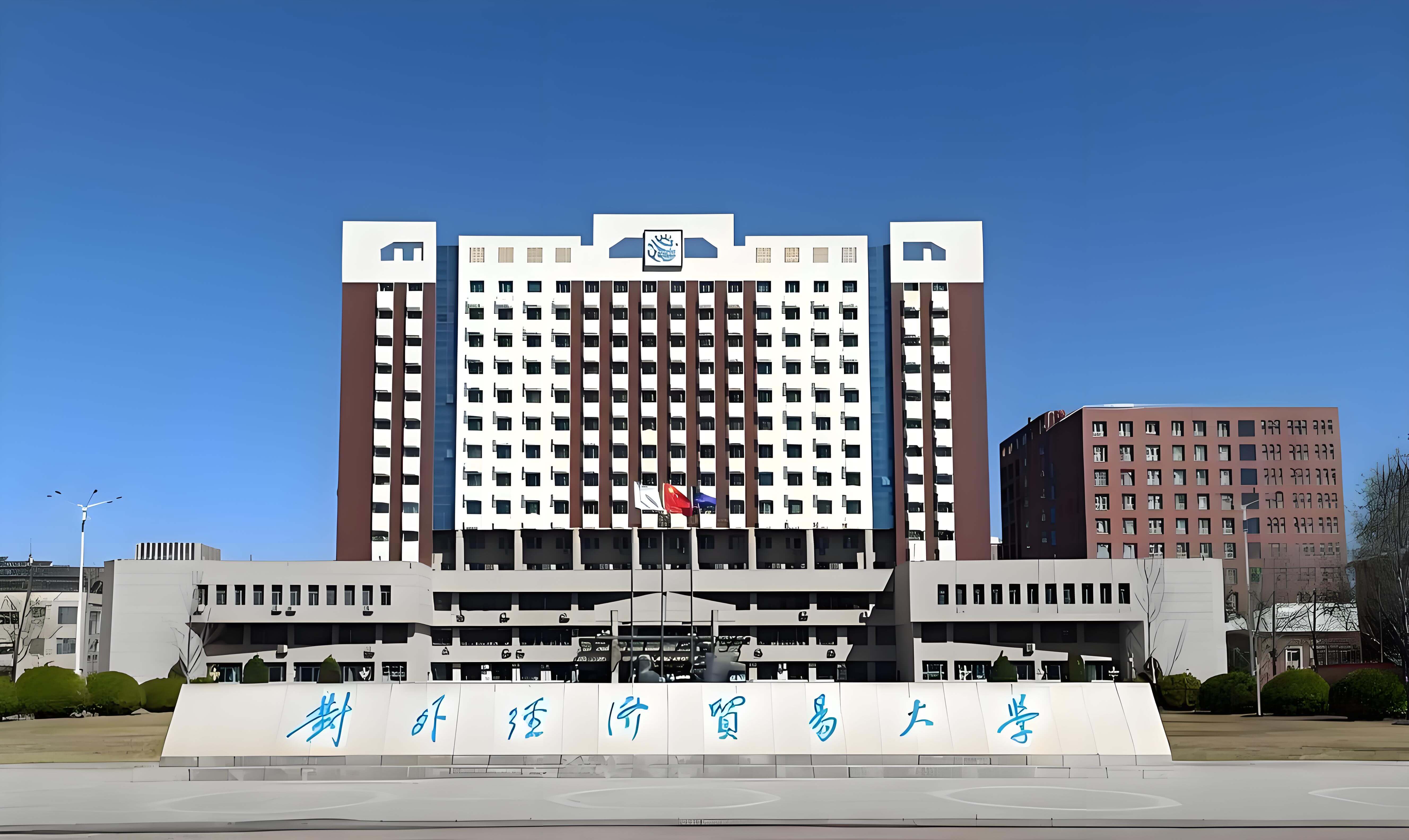
University of International Business and Economics
University of International Business and Economics is a university affiliated with the Ministry of Education, co-built by the Ministry of Education and the Ministry of Commerce, and one of the first batch of \"Double First-Class\" and \"Project 211\" universities. UIBE has a long history of education and was the first institution in the People’s Republic of China dedicated to training specialized talent for foreign trade, founded in 1951 as the Higher Commercial Cadres School under the Trade Department of the Central People's Government. In 1953, it was renamed Beijing Foreign Trade College. In 1954, Beijing Foreign Trade College merged with the Department of International Trade at Renmin University of China to form Beijing Foreign Trade Institute. It was selected as a national key university in 1960 and as a key university for foreign language education development in 1964. In 1978, Beijing Foreign Trade Institute became a unit directly under the Ministry of Foreign Economic Relations and Trade (MOFERT). In 1983, the school merged with the International Economics and Management College under the State Import and Export Administration Commission. In 1984, it was renamed University of International Business and Economics. In 1997, it was selected as a key construction university under the \"Project 211.\" In 1987, the China Financial College was established under the People's Bank of China. In 2000, UIBE merged with the China Financial College and came under the administration of the Ministry of Education. In 2010, the Ministry of Education and the Ministry of Commerce signed a co-construction agreement for UIBE. In 2017, the school was selected as one of the first batch of \"Double First-Class\" construction universities. UIBE has a significant advantage in disciplines, including applied economics, theoretical economics, law, business management, foreign languages and literature, statistics, political science, public administration, Chinese language and literature, management science and engineering, Marxist theory, and mathematics, covering six major fields: economics, management, law, literature, science, and engineering. The university has 54 undergraduate programs, 12 first-level discipline master's degree programs, 12 professional master's degree programs, seven first-level discipline doctoral programs (applied economics, theoretical economics, law, business management, foreign languages and literature, statistics, political science), and six postdoctoral research centers. UIBE is known for its unique approach to talent development, with a good reputation. The school consistently emphasizes and highlights the cultivation of high-quality, innovative, and internationally-oriented leaders, and its graduates are widely welcomed for their strong professional knowledge and skills, proficiency in foreign languages, active thinking, and strong practical abilities.More than 300,000 alumni have consistently been at the forefront of reform and opening up, supporting the country’s economic development and key strategic initiatives. \"Wherever there is trade in the world, there are figures from UIBE.\" The university's intake of new students has always ranked among the top in the nation. Currently, there are over 16,000 students on campus, including over 8,600 undergraduate students, over 5,800 graduate students, and about 2,500 foreign students.\nUIBE has a strong faculty with renowned educators and emerging talents. Professors such as Liao Fuju, Wu Yegang, Yuan Xianeng, Yao Zengyin, Shen Daming, Yao Nianqing, Shi Daoyuan, Zhang Xiongwu, and Feng Datong are celebrated both at home and abroad as \"great educators\" in China's foreign trade and economy. Forty-six faculty members have been selected for national-level talent programs; forty receive government special allowances from the State Council. The school has fourteen outstanding teaching teams at the national and municipal levels, with the accounting and financial management faculty team being recognized as a \"Yellow Danya-style Teacher Team\" nationwide. Ten faculty members are members of the State Council's Discipline Evaluation Group and the Ministry of Education's Teaching Guidance Committee. Four have been recognized as distinguished accountants by the Ministry of Finance, and two have received the Lifetime Achievement Award in Financial Disciplines. The university currently has a total of 1,744 staff members, including 1,027 full-time teachers, 309 professors, 412 associate professors, and 862 individuals with doctoral degrees.\nUIBE is committed to serving the national strategy of opening up and accelerating the development of distinctive Chinese philosophy and social sciences. The school has establishedIt has 30 teaching and research units and over 140 research centers, including the China WTO Institute, dedicated to studying the World Trade Organization, which is a key research base for humanities and social sciences under the Ministry of Education. It possesses a philosophy and social science laboratory under the Ministry of Education (Global Value Chain Laboratory), a strategic research base under the Ministry of Education (Global Innovation and Governance Academy); an education strategy and planning research center (Education and Open Economy Research Center), a base for the \"Introduction of Innovative Overseas Talent in University Disciplines\" program (Global Value Chain Research, Research on Overseas Governance Risks of Chinese Enterprises along the Belt and Road), 12 national research centers for country and regional studies registered with the Ministry of Education, a national research base for foreign-related rule of law and the capital's high-end think tank (Beijing Academy of Opening-up), a Beijing philosophy and social science research base (Beijing Enterprise Internationalization Operation Research Base), a collaborative innovation center for theoretical and practical research on building a strong open economy in Beijing universities, and a research base of the Beijing Research Center for Xi Jinping Thought on Socialism with Chinese Characteristics for a New Era at the University of International Business and Economics.\nThe University of International Business and Economics emphasizes open education with active Sino-foreign exchanges, being one of the earliest institutions of higher learning in New China to conduct inbound international student education. Currently, the university has established cooperative exchange relations with more than 300 renowned universities and institutions in 56 countries and regions. The scale and proportion of inbound international students rank among the highest in the nation’s universities. Over 40% of undergraduate graduates pursue further studies at prestigious overseas universities. Nobel Prize winner in Economics Michael Spence, China Reform Friendship Medal recipient Stephen Perry, academician of the German National Academy of Sciences Leopoldina Andreas Loschel, and others hold academic positions at the university. The school has established ten Confucius Institutes across Asia, Europe, Africa, America, and Oceania. In August 2021, it established an Israel branch.University of International Economics and Trade has strong academic strength and beautiful surroundings, located in Chaoyang District of Beijing, with the site of the former Yuan Dynasty capital to the south and the Bird's Nest stadium to the north. Li Lanqing, Rong Yiren, Ho Yinghang, Wu Yi, Shi Guangsheng, Liu Hongru, Chen Yuan, among others, have successively held the position of honorary chairman of the school's board of trustees. Currently, there are nearly 30 scholarships and teaching awards established by social forces at the school, and more than 100 departmental funds. The university library holds close to one million printed books. The school publishes multiple academic journals, including \"International Trade Issues,\" \"International Business - Journal of University of International Economics and Trade,\" \"Japanese Language Learning and Research,\" \"Journal of WTO and China (WTO and China),\" and \"Trade and Economic Law Review,\" that hold significant academic standing.\n\nCurrently, all faculty, staff, and alumni of the University of International Economics and Trade, guided by Xi Jinping Thought on Socialism with Chinese Characteristics for a New Era, dedicate themselves to the high-level opening-up efforts of the new era, lead with open-economy disciplines, chart a course toward building a distinctive and globally leading UIBE, uphold the educational philosophy of 'cultivating talent, fostering international understanding, enriching content, and pursuing excellence,' remain committed to their original mission of 'nurturing talent for the Party and the nation,' and promote the spirit of 'broad learning, integrity, exploration, and dedication,' striving to nurture well-rounded socialist builders and successors who possess both a sense of patriotism and a global perspective.
Beijing
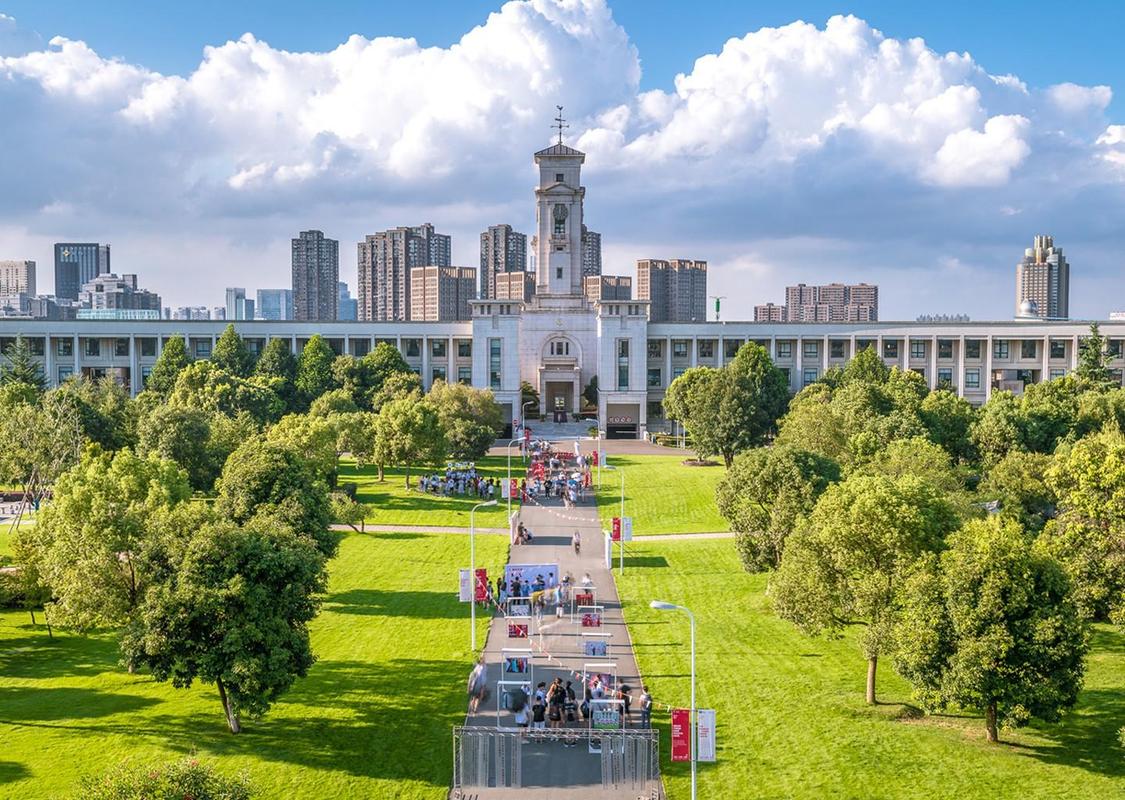
University of Nottingham (China Ningbo)
The University of Nottingham Ningbo China, also known as UNNC, is a Sino foreign cooperative university established in 2004. The university was jointly established by the University of Nottingham and Zhejiang Wanli College in May 2004. It is the first Sino foreign cooperative university in the history of Chinese education to have an independent campus and legal personality. The school is located in Ningbo, Zhejiang, and has colleges of science and engineering, business, and humanities and social sciences;
Zhejiang Province, Ningbo City